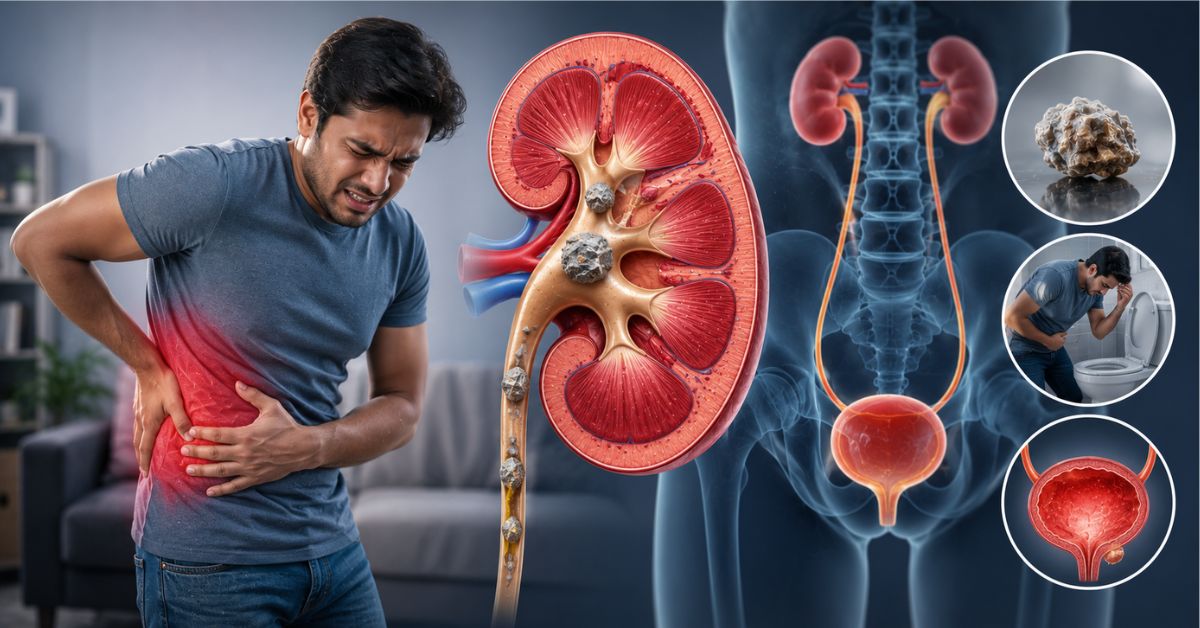
Kidney stones can cause sudden, severe pain, but repeated discomfort should not be ignored. A stone may move through the urinary tract and cause sharp pain in the side, back, lower abdomen, or groin. Some people may also experience burning while urinating, frequent urination, nausea, vomiting, or blood in the urine. If a kidney stone remains in the urinary tract or blocks the normal flow of urine, symptoms may continue or return repeatedly. Smaller stones may sometimes pass naturally, but larger or stuck stones can require medical treatment. Getting evaluated when symptoms persist can help determine the stone’s size, location, and whether it is affecting kidney function.
When Repeated Kidney Stone Pain Needs Medical Attention
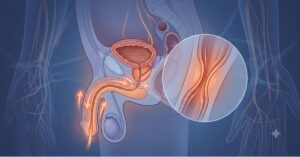
Repeated pain does not always mean that a new stone has formed. A stone that has not passed completely may continue causing discomfort or intermittent blockage. Urinary problems such as difficulty passing urine, frequent urination, burning, or blood in the urine may also indicate irritation or obstruction. Fever and chills along with urinary symptoms are particularly important because they can indicate an infection that needs urgent medical attention. Diagnosis may involve urine tests, blood tests, ultrasound, X-ray, or CT scans depending on the symptoms and clinical situation. Treatment depends on the stone’s size and location and may include medication, increased fluids when appropriate, medical expulsive therapy, shock wave treatment, or minimally invasive procedures to remove or break the stone.
Effective Kidney Stone Treatment for Lasting Relief
The right treatment for kidney stones depends on several factors, including the size and location of the stone, the severity of symptoms, urinary blockage, and the patient’s overall health. When a stone is unlikely to pass on its own or repeatedly causes pain and urinary problems, consulting an experienced Urologist in Indore can help determine the most appropriate treatment. Modern options such as ureteroscopy, laser stone treatment, and other minimally invasive techniques can help remove or fragment stones while reducing discomfort and supporting faster recovery. After treatment, identifying why stones are forming is equally important. Adequate fluid intake, dietary changes, and medical advice based on the type of stone can help reduce the risk of recurrence.
FAQs
Why does kidney stone pain keep coming back?
Repeated pain may occur when a stone is still moving through the urinary tract, causes intermittent blockage, or when another stone has developed. Persistent or recurring pain should be evaluated by a doctor.
Can a kidney stone cause urinary problems?
Yes. Kidney stones can cause frequent urination, burning while urinating, difficulty passing urine, blood in the urine, or an urgent need to urinate, particularly when the stone is close to the bladder.
When is kidney stone treatment necessary?
Treatment may be needed when a stone is too large to pass naturally, causes repeated severe pain, blocks urine flow, leads to infection, or affects kidney function.
Can kidney stones be removed without major surgery?
Yes. Many stones can be treated using minimally invasive procedures such as ureteroscopy and laser stone treatment. The appropriate option depends on the stone’s size, location, and the patient’s condition.
How can I reduce my risk of getting kidney stones again?
Drinking enough water, following a balanced diet, limiting excessive salt, and making dietary changes based on the type of stone can help reduce recurrence. Your doctor may recommend additional preventive measures after evaluation.