Retrograde Intrarenal Surgery (RIRS) in Indore
Best Retrograde Intrarenal Surgery (RIRS) in Indore
Kidney stones can be extremely painful and disruptive to daily life. Thanks to advances in urology, modern minimally invasive procedures like Retrograde Intrarenal Surgery (RIRS) offer a safe and effective solution for removing kidney stones without large incisions. If you are searching for RIRS surgery in Indore, this guide will help you understand the procedure, its benefits, symptoms of kidney stones, and why choosing an experienced uro surgeon in Indore for RIRS is important.
What is Retrograde Intrarenal Surgery (RIRS)?
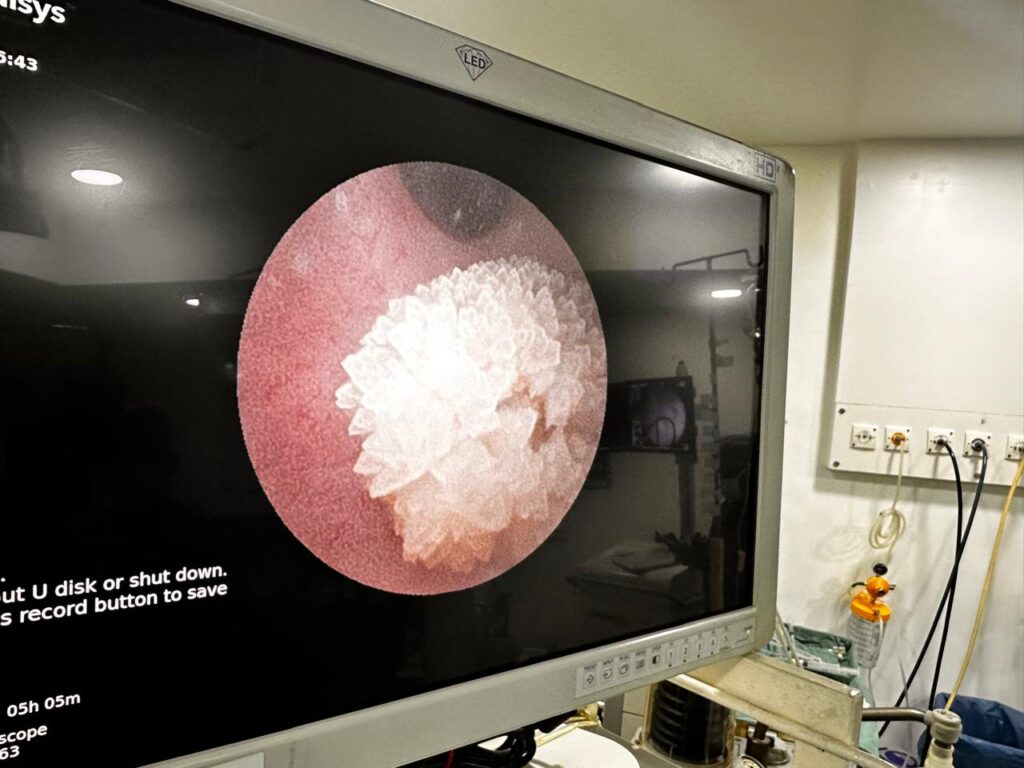
Retrograde Intrarenal Surgery (RIRS) is a minimally invasive endoscopic procedure used to treat kidney stones. In this technique, a flexible ureteroscope is passed through the natural urinary passage (urethra → bladder → ureter → kidney) without any cuts on the body.
A laser fiber is then used to break the stone into tiny fragments, which either pass naturally in urine or are removed using specialized instruments. Because it does not involve any external incision, RIRS kidney stone surgery in Indore is known for quicker recovery and minimal discomfort.
RIRS is particularly useful for:
- Stones located in difficult areas of the kidney
- Stones smaller than 2 cm
- Patients not suitable for open or shockwave procedures
Causes of Kidney Stones
Kidney stones form when minerals and salts in urine crystallize and stick together. Several factors increase the risk:
- Dehydration: Not drinking enough water leads to concentrated urine, encouraging stone formation.
- Dietary Factors: High intake of salt, protein, and oxalate-rich foods (spinach, nuts, chocolate) may contribute.
- Family History: Genetics can play a role in stone formation.
- Medical Conditions: Diabetes, obesity, urinary infections, and metabolic disorders increase risk.
- Sedentary Lifestyle: Lack of physical activity can also contribute.
Understanding these causes helps prevent recurrence even after retrograde intrarenal surgery in Indore.
Symptoms of Kidney Stones
Kidney stones often remain silent until they move into the ureter. Common symptoms include:
- Severe pain in the back or side (renal colic)
- Pain radiating to lower abdomen or groin
- Burning sensation while urinating
- Blood in urine (pink/red urine)
- Frequent urge to urinate
- Nausea and vomiting
- Fever with chills (if infection is present)
If you experience these symptoms, consulting a uro surgeon in Indore for RIRS evaluation is important.
Diagnosis Before RIRS
Before recommending RIRS surgery in Indore, doctors usually perform:
- Ultrasound KUB
- CT scan for stone size and location
- Urine tests
- Blood investigations
These tests help determine whether RIRS kidney stone surgery in Indore is the best option for you.
Benefits of RIRS Kidney Stone Surgery
Choosing retrograde intrarenal surgery in Indore offers several advantages:
- No cuts or stitches
- Less pain after surgery
- Minimal bleeding
- Short hospital stay (often 1 day)
- Faster recovery
- High success rate for small to medium stones
It is considered one of the best RIRS surgery in Indore options for safe and effective stone removal.
Recovery After RIRS
Recovery is generally quick:
- Mild burning during urination for a few days
- Increased fluid intake recommended
- Temporary blood in urine may occur
- Normal activities resume within 3–5 days
If a stent is placed, it is removed after 1–2 weeks. Your uro surgeon in Indore for RIRS will guide you on medications and follow-ups.
Who is the Right Candidate for RIRS?
RIRS is ideal for:
- Kidney stones up to 2 cm
- Stones not suitable for ESWL
- Patients with bleeding disorders
- Obese patients
- Children and elderly patients
Your doctor will decide if RIRS kidney stone surgery in Indore is right for you.
Why Choose Dr. Vipin Sharma for RIRS in Indore?
When it comes to delicate procedures like RIRS surgery in Indore, experience matters.
Dr. Vipin Sharma – Consultant Urosurgeon in Indore is known for:
- Advanced minimally invasive stone surgery techniques
- Expertise in flexible ureteroscopy and laser technology
- High success rates with patient safety focus
- Personalized treatment plans
- Modern equipment and infection-controlled operation theatres
If you are looking for the best RIRS surgery in Indore, consulting a skilled uro surgeon in Indore for RIRS ensures the best outcome.
Preventing Kidney Stones After Surgery
Even after successful retrograde intrarenal surgery in Indore, prevention is important:
- Drink 2.5–3 liters of water daily
- Reduce salt intake
- Maintain healthy weight
- Follow dietary advice based on stone type
- Regular follow-ups and urine tests
Don’t let kidney stone pain affect your life. Safe, scar-free treatment is available with modern RIRS surgery in Indore.
📞 Book your consultation today
Dr. Vipin Sharma – Consultant Urosurgeon in Indore
📱 06269121211 | 07024443405 | 07415479551
Get expert care from a trusted urosurgeon in Indore for RIRS and return to a pain-free life.
Frequently Asked Questions (FAQs)
RIRS (Retrograde Intrarenal Surgery) is a modern, minimally invasive procedure used to treat kidney stones. In this technique, a flexible ureteroscope is passed through the natural urinary pathway (urethra → bladder → ureter → kidney) to reach the stone. A laser is then used to break the stone into very small pieces, which either pass naturally through urine or are removed during the procedure. Since there are no cuts or stitches involved, it is considered a safe and patient-friendly option.
Retrograde intrarenal surgery in Indore refers to this advanced laser-based kidney stone treatment performed by experienced urologists using modern equipment. It is widely preferred for its precision, minimal discomfort, and faster recovery compared to traditional surgical methods.
RIRS is usually recommended when kidney stones are small to medium in size (generally up to 2 cm), located in difficult-to-reach areas of the kidney, or when other treatments like ESWL (shock wave therapy) have not been successful. It is also a good option for patients who want a minimally invasive solution.
During the procedure, a thin and flexible scope is gently inserted through the urinary tract to reach the kidney. Once the stone is located, a high-energy laser is used to break it into tiny fragments. These fragments are either removed with small instruments or allowed to pass naturally through urine over time. The entire process is done under anesthesia for patient comfort.
RIRS surgery itself is not painful because it is performed under anesthesia. After the procedure, patients may experience mild discomfort, slight burning during urination, or a feeling of urgency for a few days. These symptoms are temporary and can be managed easily with medications.
The duration of RIRS surgery typically ranges from 60 to 90 minutes. However, it may take longer in cases where there are multiple stones or larger stones that require more time to break and remove.
Recovery after RIRS surgery in Indore is generally quick. Most patients are able to resume normal daily activities within 3 to 5 days. Complete internal healing may take a little longer, but overall downtime is minimal compared to open surgery.
Yes, hospitalization is usually required, but only for a short duration. In most cases, patients are discharged within 24 hours after the procedure, depending on their recovery and overall health condition.
RIRS offers several advantages, including no cuts or scars, minimal pain, reduced risk of bleeding, shorter hospital stay, and faster recovery. It also provides high accuracy in removing stones from difficult areas of the kidney.
Yes, retrograde intrarenal surgery is considered a safe and effective procedure when performed by a skilled and experienced urologist. The risk of complications is low, and most patients recover without any major issues.
Yes, kidney stones can recur if preventive measures are not followed. Factors like low water intake, dietary habits, and certain medical conditions can increase the risk. Maintaining proper hydration and following medical advice can help reduce recurrence.
After RIRS surgery, patients should drink plenty of fluids to help flush out remaining stone fragments. It is also important to take prescribed medications on time, avoid heavy physical activity for a few days, and attend follow-up visits as advised by the doctor.
Yes, RIRS is especially suitable for elderly patients because it is minimally invasive and does not involve major surgery. It is also a safer option for patients with other health conditions who may not tolerate open procedures well.
RIRS surgery is usually performed under general anesthesia, ensuring the patient remains comfortable and pain-free throughout the procedure. In some cases, spinal anesthesia may also be used based on the patient’s condition.
The success rate of RIRS surgery in Indore is quite high, especially for small to medium-sized stones. With advanced laser technology and experienced surgeons, most patients achieve complete stone clearance in a single session.
Most patients can return to work within a few days after the procedure. However, it is advisable to avoid strenuous activities for at least a week to ensure proper recovery.
Yes, RIRS is generally considered better than open surgery because it is minimally invasive, involves less pain, has a shorter recovery period, and leaves no visible scars. It also reduces the risk of complications associated with open procedures.
If you are looking for advanced and safe treatment, you can consult a qualified urologist offering rirs surgery in Indore. Choosing an experienced specialist with modern facilities ensures better outcomes and a smooth recovery.
Book Appointment
Sahyog Superspeciality Clinic
EC-64, Bombay Hospital Service Road, Scheme No. 94 Indore, Madhya Pradesh – 452010
Visiting Hours
Mon – Sat, 9:00 AM – 8:00 PM
drvipinsharma3@gmail.com