Female Urinary Disorders Treatment in Indore
Best Female Urinary Disorder Treatment in Indore
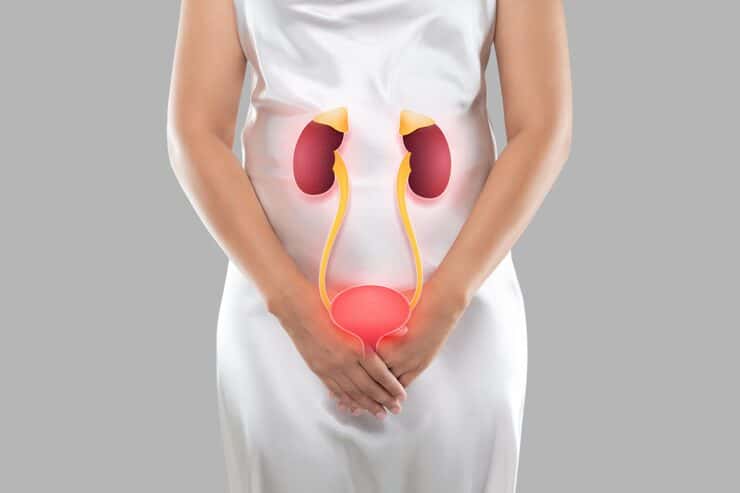
Female urinary disorder are a group of conditions that affect the normal function of the urinary system — including the kidneys, ureters, bladder, and urethra. These disorders are more common in women due to unique anatomical and physiological differences, and they can significantly impact quality of life if left untreated.
Women of all ages can experience urinary problems, but prevalence increases with age, pregnancy, childbirth, menopause, and certain medical conditions. Early recognition and appropriate treatment can dramatically improve symptoms and prevent complications.
In Indore, expert care is available for women facing urinary issues — from simple bladder infections to complex pelvic floor dysfunction. Dr. Vipin Sharma, a highly experienced Consultant Urologist, specializes in diagnosing and treating female urinary disorders with advanced, patient-focused care.
What Are Female Urinary Disorders?
Female urinary disorders refer to any medical condition that affects:
- Urination
- Urinary storage
- Urinary control
They disrupt the normal process of collecting and eliminating urine from the body. Unlike occasional urinary discomfort, these disorders are persistent and can affect daily activities, sleep, and emotional well-being.
The most common female urinary disorders include:
Urinary Tract Infections (UTIs)
Overactive Bladder (OAB)
Urinary Incontinence
Stress Incontinence
Urge Incontinence
Mixed Incontinence
Pelvic Organ Prolapse (POP)
Interstitial Cystitis / Painful Bladder Syndrome
Bladder Stones
Neurogenic Bladder
Recurrent Urinary Infections
Causes of Female Urinary Disorders
1. Anatomy & Physiology
Women have a shorter urethra than men, which makes it easier for bacteria to enter the bladder — increasing risk of infections.
2. Hormonal Changes
Hormonal fluctuations during pregnancy, menopause, and menstruation can weaken urinary tract tissues and reduce protective mechanisms.
3. Pregnancy & Childbirth
Pressure on the bladder and pelvic floor muscles during pregnancy and vaginal delivery may lead to:
- Pelvic floor weakness
- Urinary incontinence
- Bladder prolapse
4. Aging
With age, muscles supporting the bladder and urethra weaken, leading to incontinence and urgency.
5. Lifestyle & Obesity
Excess weight increases abdominal pressure and strain on pelvic muscles.
6. Chronic Constipation
Pushes against the bladder and urinary tract, interfering with normal emptying and leading to recurrent symptoms.
7. Neurological Disorders
Conditions like multiple sclerosis or spinal injury affect nerve signals controlling bladder function.
8. Medications
Some prescriptions — especially diuretics and sedatives — affect urinary frequency and control.
9. Diabetes
High blood sugar levels can impair nerve function in the bladder.
10. Infections and Irritants
Repeated urinary infections or exposure to irritants (soaps, feminine sprays, douches) can cause bladder inflammation.
Symptoms of Female Urinary Disorders
Symptoms vary by condition but commonly include:
1. Urinary Frequency
Need to urinate more often than usual (more than 8 times per day).
2. Urgency
A sudden, strong urge to urinate that’s hard to delay.
3. Painful Urination (Dysuria)
Burning or stinging while urinating.
4. Nocturia
Waking up multiple times at night to urinate.
5. Incontinence
Leakage of urine with:
- Coughing
- Laughing
- Physical activity
- Sudden urgency
6. Pain in Lower Abdomen or Back
May occur with infections or bladder disorders.
7. Cloudy, Strong-Smelling Urine
Often seen in infections.
8. Blood in Urine (Hematuria)
A concerning symptom requiring urgent medical evaluation.
9. Incomplete Emptying
Feeling as if the bladder is not fully emptied.
10. Pelvic Pressure or Discomfort
Often seen in prolapse or bladder disorders.
How Are Female Urinary Disorders Diagnosed?
Proper diagnosis is key to effective treatment. Evaluation typically includes:
1. Medical History: Discussion of symptoms, duration, severity, and lifestyle factors.
2. Physical Examination: Including pelvic exam to assess muscle tone and prolapse.
3. Urinalysis: Laboratory analysis of urine for infection, blood, or abnormalities.
4. Urine Culture: Identifies specific bacteria causing infection.
5. Ultrasound Imaging: Assesses bladder, kidneys, and structure of urinary tract.
6. Urodynamic Testing: Measures bladder pressure and function during filling and emptying.
7. Cystoscopy: Endoscopic evaluation of the bladder and urethra.
8. Stress Test: Evaluates leakage under pressure (coughing or straining).
Treatment Options for Female Urinary Disorders
Medical Management
Depending on the condition, this may include:
- Antibiotics for UTIs
- Anticholinergics / Beta-3 agonists for overactive bladder
- Hormone therapy (topical estrogen)
- Pain management for interstitial cystitis
- Medication review if drugs are contributing
Behavioral & Lifestyle Interventions
- Bladder retraining
- Fluid management
- Dietary adjustments (reduce caffeine, spicy foods)
- Timed voiding
- Weight management
- Avoiding irritants
Pelvic Floor Muscle Therapy
Also known as Kegel exercises — strengthens pelvic muscles to support bladder control.
Physical Therapy
Specialized pelvic floor physiotherapy can greatly improve incontinence and pelvic support.
Minimally Invasive Procedures
- Botox injections into the bladder for urgency/OAB
- Nerve stimulation therapies (e.g., Percutaneous Tibial Nerve Stimulation, Sacral Nerve Stimulation)
Surgical Treatments
Used when conservative treatments fail:
- Bladder sling procedures for stress incontinence
- Prolapse repair surgery
- Laser therapy
- Bladder neck suspension
- Partial bladder removal (in select conditions)
If you are seeking expert care for urinary problems in Indore, quality, compassionate urology services are available for women of all ages. Whether you’re dealing with recurring infections, incontinence, pelvic floor dysfunction, or require surgical intervention, personalized care can help restore function and confidence.
- Dr. Vipin Sharma — Consultant Urologist
Expert in diagnosis and treatment of female urinary disorders - Advanced procedures and patient-centered care
- Experience in both minimally invasive and surgical management
Why Choose Us for Female Urinary Care in Indore?
Choosing the right specialist and care center makes all the difference. Here’s why patients trust us:
1. Specialized Expertise: Dr. Vipin Sharma brings in-depth knowledge in female urology, complex urinary disorders, and advanced surgical care.
2. Personalized Treatment Plans: Every patient receives an individualized plan tailored to their unique symptoms, lifestyle, and health goals.
3. Compassionate, Women-Focused Care: We understand the sensitive nature of female urinary disorders and offer respectful, confidential care.
4. Comprehensive Diagnosis: We use the latest diagnostic tools to pinpoint the exact cause and ensure accurate treatment.
5. Advanced Therapeutic Options: From conservative therapies and pelvic rehabilitation to innovative surgeries when needed — we offer full-spectrum care.
6. Comfortable & Supportive Environment: Patient comfort and education are priorities at every stage of care.
7. Follow-Up and Long-Term Support: We support you long after treatment — with follow-ups to ensure lasting improvement.
Tips for Preventing Female Urinary Disorders
Healthy habits can reduce the frequency and severity of symptoms:
- Stay hydrated — drink adequate water daily
- Practice good bathroom habits (don’t delay voiding)
- Maintain pelvic floor muscle exercises
- Avoid bladder irritants (caffeine, alcohol, spicy foods)
- Manage chronic conditions like diabetes
- Empty bladder fully each time
- Practice safe sexual hygiene
- Wear breathable cotton underwear
Female urinary disorders are common but often misunderstood. The good news is that most can be successfully treated with proper diagnosis and individualized care.
Whether your symptoms are mild or severe, don’t wait — early evaluation can prevent complications and restore your quality of life.
For Female Urinary Disorder Treatment in Indore, you can count on expert, compassionate care with proven results.
📞 Call Now: 06269121211 | 07024443405 | 07415479551
👩⚕️ With: Dr. Vipin Sharma, Consultant Urologist
Take the first step toward better urinary health today!
Frequently Asked Questions (FAQs)
Urinary incontinence can result from weakened pelvic floor muscles (often after childbirth or aging), urinary tract infections, nerve damage, obesity, or surgeries, leading to stress, urge, or mixed incontinence.
Yes. Drinking sufficient water, practicing good hygiene, urinating after sexual activity, and avoiding irritants can help reduce UTIs.
Yes. Many conditions respond well to lifestyle changes, pelvic floor therapy, medications, and minimally invasive procedures.
If your symptoms persist for more than a few weeks, affect daily life, cause pain, bleeding, or frequent infections — seek specialist care promptly.
Treatment varies. Most diagnostic tests are non-invasive, and many treatments focus on comfort and symptom relief. Surgical options are performed under anesthesia to minimize discomfort with proper recovery support.
Book Appointment
Sahyog Superspeciality Clinic
EC-64, Bombay Hospital Service Road, Scheme No. 94 Indore, Madhya Pradesh – 452010
Visiting Hours
Mon – Sat, 9:00 AM – 6:00 PM
drvipinsharma3@gmail.com