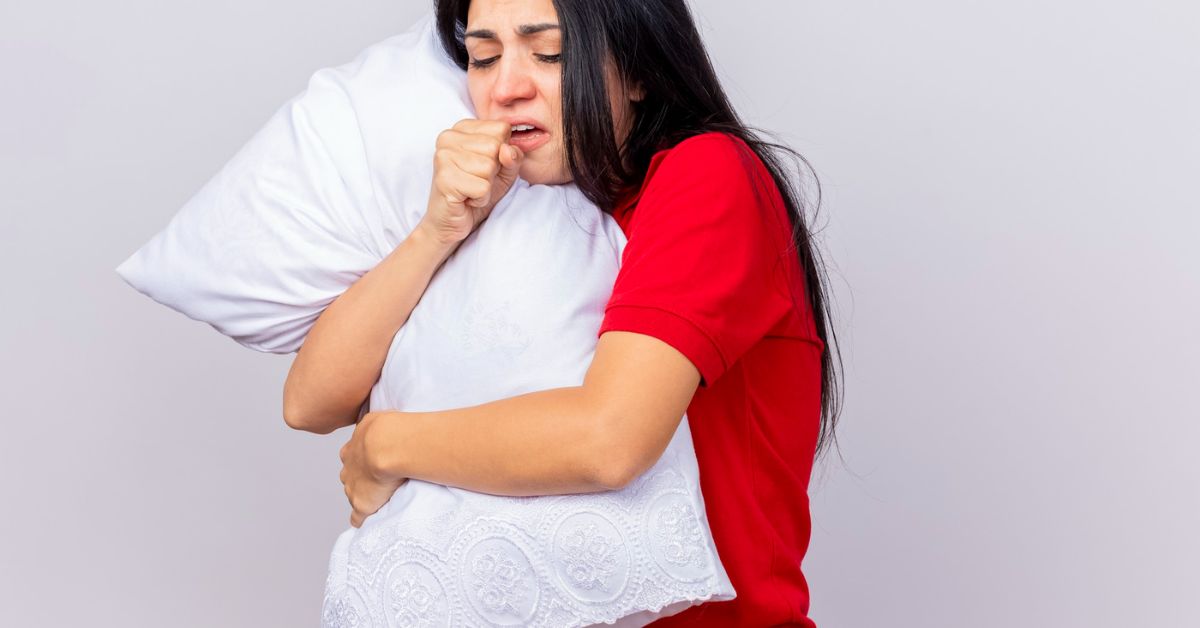
Urine leakage while coughing, sneezing, laughing, or exercising is a common urinary problem among women. Many women consider it a normal part of aging or after childbirth, but it can be a sign of stress urinary incontinence, a condition that affects bladder control and quality of life.
With proper diagnosis and advanced treatment options, women can effectively manage this problem. Consulting an experienced specialist for female urinary disorders treatment in Indore can help identify the cause and provide personalized care.
What Is Urine Leakage During Physical Activities?
Urine leakage that occurs when pressure is placed on the bladder during activities like coughing, sneezing, lifting heavy objects, running, or exercising is known as stress urinary incontinence (SUI).
In this condition, increased pressure on the bladder causes urine to leak due to weakened pelvic floor muscles or reduced support around the bladder and urethra.
Common Causes of Urine Leakage in Women
1. Weak Pelvic Floor Muscles
The pelvic floor muscles support the bladder and help control urine flow. Weakness in these muscles can reduce bladder control and lead to urine leakage during physical activities.
2. Pregnancy and Childbirth
Pregnancy and vaginal delivery can stretch and weaken pelvic floor muscles. Some women may experience urine leakage after childbirth due to changes in bladder support.
3. Age-Related Changes
As women age, hormonal changes and reduced muscle strength can affect bladder function and increase the risk of urinary incontinence.
4. Obesity
Excess body weight increases pressure on the bladder, which can worsen urine leakage during coughing, exercising, or other activities.
5. Previous Pelvic Surgeries
Certain surgeries involving the pelvic region may affect bladder support and contribute to urinary control problems.
Symptoms of Stress Urinary Incontinence
Common symptoms include:
- Leakage of urine while coughing or sneezing
- Urine leakage during exercise or physical activities
- Accidental urine leakage while laughing
- Difficulty controlling urine during sudden pressure on the bladder
- Reduced confidence due to fear of leakage
Diagnosis of Urinary Incontinence
A urologist evaluates symptoms and medical history before recommending treatment. Diagnostic methods may include:
- Urine tests
- Physical examination
- Ultrasound evaluation
- Bladder function tests (urodynamic studies)
- Assessment of pelvic floor strength
Accurate diagnosis helps determine the most suitable treatment approach.
Treatment Options for Urine Leakage in Women
1. Lifestyle Changes
Mild symptoms may improve with:
- Maintaining a healthy weight
- Reducing caffeine intake
- Managing fluid consumption
- Avoiding bladder irritants
2. Pelvic Floor Exercises
Kegel exercises strengthen pelvic floor muscles and improve bladder control. Regular practice can help many women reduce urine leakage.
3. Medications
In selected cases, medications may be recommended to manage bladder-related symptoms depending on the underlying cause.
4. Minimally Invasive Procedures and Surgery
For women with persistent stress urinary incontinence, advanced procedures may provide long-term relief. Urinary incontinence surgery in Indore may be considered when conservative treatments do not provide sufficient improvement.
When Should Women Consult a Urologist?
Women should seek medical advice if:
- Urine leakage affects daily activities
- Exercise or physical activity is avoided due to fear of leakage
- Symptoms are worsening over time
- There is pain, burning, or blood in urine
- Bladder control problems affect confidence and lifestyle
Early consultation can help prevent the condition from becoming more difficult to manage.
Urine leakage while coughing or exercising is a treatable condition and should not be ignored. With proper evaluation and advanced treatment options, women can regain bladder control and improve their quality of life.
For expert guidance and advanced female urinary disorders treatment in Indore, consult an experienced urologist for accurate diagnosis and personalized treatment.